
Induction Hob Ovens: The Future of Efficient and Precise Cooking
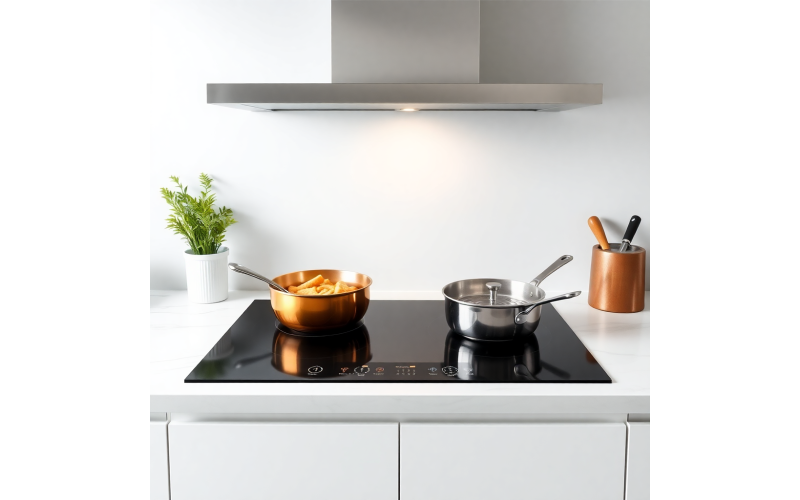
Induction Hob Ovens: The Future of Efficient and Precise Cooking
In recent years, induction hob ovens have revolutionized the way we cook, offering efficiency, precision, and sleek design. Whether you’re upgrading your kitchen or building a new one, the rise in popularity of induction hobs combined with built-in ovens has made them an attractive option for homeowners. This article will explore the benefits of induction hob ovens, how they work, and why they’re quickly becoming a favorite among professional chefs and home cooks alike.
What is an Induction Hob Oven?
An induction hob oven combines two essential kitchen appliances – an induction cooktop and a conventional oven – into one sleek, integrated design. Induction hobs use electromagnetic technology to directly heat cookware, providing precise temperature control and faster cooking times compared to traditional gas or electric stoves. The built-in oven complements this technology, offering features like convection cooking, fan-assisted heat, and even smart cooking options.
These combined units offer both versatility and convenience, enabling you to prepare everything from a quick stir-fry on the induction hob to a perfectly roasted chicken in the oven.
How Does an Induction Hob Work?
Induction hobs use a magnetic field to directly heat the pot or pan placed on the cooking surface. Unlike gas or electric hobs, which heat up the surface and then transfer heat to the cookware, induction cooking delivers instant heat directly to the pan, making it incredibly fast and energy-efficient.
Here’s how induction hobs work:
Electromagnetic Coils: Beneath the cooking surface, a coil generates a magnetic field when the induction hob is turned on.
Cookware: When ferrous metal (magnetic) cookware is placed on the induction surface, the magnetic field induces an electric current in the cookware.
Heat Transfer: The electric current creates heat directly within the pan, allowing for precise and controlled cooking without the surface itself becoming hot.
Because the heat is generated directly in the cookware, induction cooking can heat up much faster than traditional cooking methods, and it provides more control over temperature levels.
Benefits of Induction Hob Ovens
Speed and Efficiency
One of the most significant advantages of induction hob ovens is their speed. The induction hob heats up almost instantly, reducing cooking times by up to 50% compared to conventional gas or electric cooktops. Whether you're boiling water, searing meat, or simmering sauces, induction hobs deliver rapid heat response, saving you valuable time in the kitchen.
Energy Efficiency
Induction cooking is known for its energy efficiency. Because heat is directly transferred to the pan, there is minimal heat loss compared to gas or electric cooking methods. This leads to lower energy consumption, which can be a major benefit for your energy bills in the long run.
Precise Temperature Control
Induction hobs offer precise temperature control that is almost instantaneous. With traditional gas or electric cooking, it can take time for the heat to adjust when you change the temperature. Induction, however, allows you to instantly increase or decrease the temperature to suit your cooking needs, making it ideal for delicate tasks like melting chocolate or simmering sauces.
Safety Features
Induction hobs are often seen as safer than traditional cooking methods. Since the cooktop itself does not get hot, there is less risk of burns. Additionally, many induction hobs come with automatic shut-off features that turn the hob off when a pan is removed or if the cookware is unsuitable.
Sleek, Modern Design
Induction hobs typically feature a flat, glass-ceramic surface that gives your kitchen a clean, modern aesthetic. The built-in ovens often match this design, creating a seamless and integrated look. Many induction hob ovens come with touch controls and smart features, adding both convenience and style to your kitchen.
Easy to Clean
The flat surface of an induction hob makes it much easier to clean compared to traditional gas stoves with burners. Since the surface doesn’t get hot (except for where the pan is), spills don’t burn onto the surface, and they can be wiped away effortlessly. The built-in oven sections typically have smooth, easy-to-clean interiors as well.
Features to Look for in an Induction Hob Oven
When shopping for an induction hob oven, here are some features to consider:
Power and Heating Zones
Ensure that the induction hob has enough heating zones (typically 3 to 5) and that the power output is sufficient for your cooking needs. A higher wattage will provide faster heating and better cooking control.
Oven Capacity
The built-in oven should offer sufficient capacity to meet your needs, whether you're cooking for a family or entertaining guests. Look for models with fan-assisted convection for even heat distribution and faster cooking.
Smart Technology
Many induction hob ovens now come with smart technology, allowing you to control temperature settings, cooking times, and even monitor your cooking remotely via smartphone apps. If you enjoy a tech-savvy kitchen, this feature might be a great addition.
Energy Ratings
Check the energy efficiency rating of both the induction hob and the oven. Energy-efficient models will help you save money on electricity bills and reduce your environmental footprint.
Safety Features
Look for safety features such as auto shut-off, child locks, and overheat protection to ensure your cooking environment is as safe as possible.
Are Induction Hob Ovens Worth It?
If you value efficiency, precision, and cleanliness in your cooking, then an induction hob oven is an excellent investment for your kitchen. The speed at which they heat up, combined with their energy efficiency, makes them an attractive option for busy cooks who want to streamline their kitchen experience without compromising on performance.
While they may come at a higher upfront cost compared to traditional stoves and ovens, the long-term savings on energy bills and the enhanced cooking experience make them a worthwhile investment. Whether you’re preparing a quick meal after work or experimenting with complex recipes, an induction hob oven offers the flexibility, speed, and precision you need.
Conclusion
Induction hob ovens are leading the way in the future of kitchen technology. Offering unparalleled speed, energy efficiency, and safety, these modern cooking appliances cater to a wide range of needs, from casual home cooks to professional chefs. With their sleek design, ease of use, and smart features, induction hob ovens are becoming an essential part of the modern kitchen.
Ready to upgrade your cooking experience? Explore the wide range of induction hob ovens available today and start cooking with precision and speed!
Posted by
System Administrator
News
views (1162)