
Hybrid STK Amplifier Replacement Guide – Compatible Substitutes for STK, RSN and SVI Power Modules
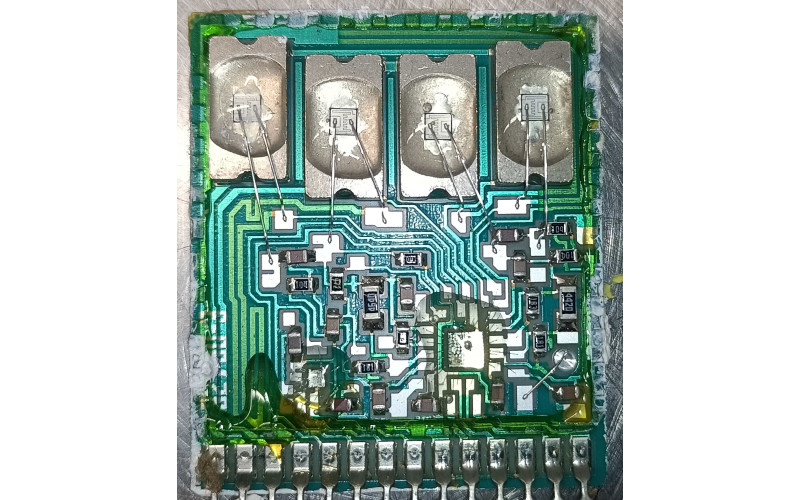
Hybrid Amplifier Modules – History, Replacements and Modern Alternatives
Hybrid amplifier modules became one of the most important technologies in home audio equipment during the 1970s, 1980s and 1990s. Famous series such as STK, RSN, SVI and STV powered millions of stereo amplifiers, AV receivers, home theatre systems and hi-fi equipment around the world.
Today many of these original hybrid modules are obsolete, making repairs increasingly difficult. However, understanding compatible replacements and modern alternatives can help restore vintage audio equipment back to working condition.
What Are Hybrid Amplifier Modules?
Hybrid amplifier modules combine multiple electronic components into a single package. Instead of using many individual transistors mounted separately, manufacturers integrated amplifier circuits into compact hybrid modules mounted directly onto a heatsink.
These modules typically contain:
- Power transistors
- Driver stages
- Bias circuits
- Thermal compensation
- Protection circuits
Hybrid technology simplified amplifier manufacturing, reduced size, improved reliability and lowered production costs.
The Most Popular Hybrid Amplifier Series
STK Series – Sanyo
The Sanyo STK series became one of the most recognised hybrid amplifier families ever produced.
Popular models included:
- STK4048II
- STK4191II
- STK4141II
- STK0050
- STK412 series
These modules appeared in thousands of amplifiers from brands including Sony, Pioneer, JVC, Sharp, Kenwood and Akai.
STK modules became popular because they offered:
- high output power,
- simple amplifier design,
- low external component count,
- good thermal stability.
RSN and SVI Series – Technics / Panasonic
Panasonic used RSN and SVI hybrid modules extensively in Technics amplifiers and home cinema systems.
Popular modules included:
- RSN311W64
- RSN309W44
- SVI3205
- SVI2004
These modules integrated complete multi-channel amplifier sections and were commonly found in compact hi-fi systems.
Today many RSN and SVI modules are extremely difficult to source.
Why Hybrid Amplifier Modules Fail
Hybrid modules operate under high temperatures and significant electrical stress. After years of use, failures become common.
Typical causes include:
- overheating,
- dried thermal compound,
- poor ventilation,
- speaker short circuits,
- power supply faults,
- aging internal bonding wires,
- counterfeit replacement modules.
Common symptoms include:
- no audio output,
- distorted sound,
- amplifier protection mode,
- blown fuses,
- DC voltage on speaker outputs.
The Problem With Fake STK Modules
One of the biggest problems in modern amplifier repair is counterfeit hybrid modules.
Many “new” STK modules sold online are fake reproductions using:
- smaller dies,
- lower power transistors,
- poor thermal construction,
- incorrect internal circuitry.
Fake modules often fail quickly or cannot deliver original power ratings.
The most counterfeited models include:
- STK4048II,
- STK4191II,
- STK4050II,
- RSN311W64.
For reliable repairs, technicians often search for:
- old stock genuine modules,
- donor amplifiers,
- professionally rebuilt hybrids,
- modern transistor replacements.
Modern Alternatives to Hybrid Modules
Since many original hybrids are discontinued, modern replacements are becoming more common.
Discrete Transistor Replacement Boards
Many vintage amplifiers can be repaired using custom transistor-based replacement boards.
Advantages include:
- better reliability,
- easier future repairs,
- improved cooling,
- availability of modern components.
Popular replacement transistors include:
- MJL3281A,
- MJL1302A,
- MJE15032,
- MJE15033.
Modern Amplifier IC Alternatives
In some repairs, technicians replace hybrid modules with modern amplifier IC solutions such as:
- TDA7294
- LM3886
- TPA3255
- IRS2092
These modern designs often offer:
- lower distortion,
- better efficiency,
- improved thermal protection,
- easier sourcing.
Important Factors When Choosing a Replacement
Before installing a replacement hybrid module, several parameters must be checked carefully.
Supply Voltage
The replacement must tolerate the amplifier’s power supply voltage.
Pin Compatibility
Even similar-looking modules may have different pin configurations.
Output Power
Using a lower-rated module may result in overheating or failure.
Cooling Requirements
Proper heatsink installation and thermal paste are essential.
Protection Circuits
Some amplifiers rely on built-in hybrid protection features.
Are Hybrid Amplifiers Still Worth Repairing?
Many vintage amplifiers using STK or RSN modules still offer excellent sound quality and strong build quality. Enthusiasts continue restoring classic amplifiers because:
- Vintage audio remains popular,
- older amplifiers are often repairable,
- Analogue amplifier sound is highly valued,
- Many systems have a collector value.
Even when original modules are unavailable, modern replacements can often keep classic equipment alive for many more years.
The Future of Hybrid Amplifier Repairs
As genuine hybrid modules become rarer, the repair industry increasingly focuses on:
- custom replacement boards,
- reverse-engineered hybrids,
- 3D-printed adapter systems,
- modern Class D conversions.
Despite changing technology, hybrid amplifier modules remain an important part of audio electronics history and continue to be highly relevant for vintage amplifier restoration worldwide.
Most Popular Hybrid Power Amplifier ICs (STK, RSN, SVI Series)
STK Series – Sanyo
| IC Model | Typical Application | Approx. Power |
|---|---|---|
| STK0050 | vintage stereo amplifiers | 2x 25W |
| STK0080II | hi-fi stereo systems | 2x 40W |
| STK0100II | audio amplifiers | 2x 50W |
| STK2025 | compact audio units | 2x 30W |
| STK2040II | home stereo systems | 2x 40W |
| STK4042II | hi-fi amplifiers | 2x 80W |
| STK4044II | stereo amplifiers | 2x 100W |
| STK4046II | high power audio systems | 2x 120W |
| STK4048II | high power hi-fi amplifiers | 2x 150W |
| STK4050II | high-end power amplifiers | 2x 200W |
| STK412-040 | home cinema systems | 2x 50W |
| STK412-090 | AV receivers | 2x 90W |
| STK4141II | stereo hi-fi systems | 2x 25W |
| STK4142II | mini hi-fi systems | 2x 30W |
| STK4144II | mid-range audio systems | 2x 40W |
| STK4148II | higher power audio units | 2x 60W |
| STK4191II | AV receivers/home cinema | 2x 80W |
| STK4192II | home theatre amplifiers | 2x 100W |
| STK4231II | multi-channel audio systems | 2x 120W |
| STK433-070 | power amplifiers | 70W |
| STK433-090 | professional audio systems | 90W |
RSN Series – Panasonic / Technics
| IC Model | Typical Application |
|---|---|
| RSN309W44 | Technics mini hi-fi systems |
| RSN311W64 | Technics home cinema systems |
| RSN3305 | stereo amplifiers |
| RSN3306 | audio systems |
| RSN3502 | AV receivers |
| RSN3502A | improved revision |
SVI Series – Technics
| IC Model | Typical Application |
|---|---|
| SVI2003 | early Technics amplifiers |
| SVI2004 | hi-fi audio systems |
| SVI3102 | stereo amplifiers |
| SVI3205 | Popular Technics power module |
STV Series
| IC Model | Application |
|---|---|
| STV9379 | TV / audio systems |
| STV9380 | mixed AV applications |
Pioneer PA Series
| IC Model | Application |
|---|---|
| PA0016 | Pioneer amplifiers |
| PA0016A | upgraded version |
| PA2030A | hi-fi systems |
| PA2032A | audio receivers |
Sanken Hybrid Devices
| IC Model | Application |
|---|---|
| SI1125HD | hi-fi amplifiers |
| SI1130HD | high-power audio systems |
| SAP15N / SAP15P | Sony output stages |
Most Commonly Sought-After ICs Today
The most in-demand hybrid amplifier modules for repair and restoration are:
- STK4048II
- STK4050II
- STK4191II
- STK4192II
- RSN311W64
- SVI3205
- STK0050
These are widely used in classic hi-fi amplifiers, AV receivers, and home cinema systems from the 1980s, 1990s, and early 2000s.
Key Issues with These Hybrid ICs
- overheating over time
- internal bond wire failure
- speaker output short damage
- counterfeit replacement modules
- limited availability of original parts
Summary
Hybrid amplifier ICs such as STK, RSN, and SVI played a major role in audio equipment design for decades. Although many are now discontinued, they remain highly important in vintage amplifier repair and restoration projects worldwide.