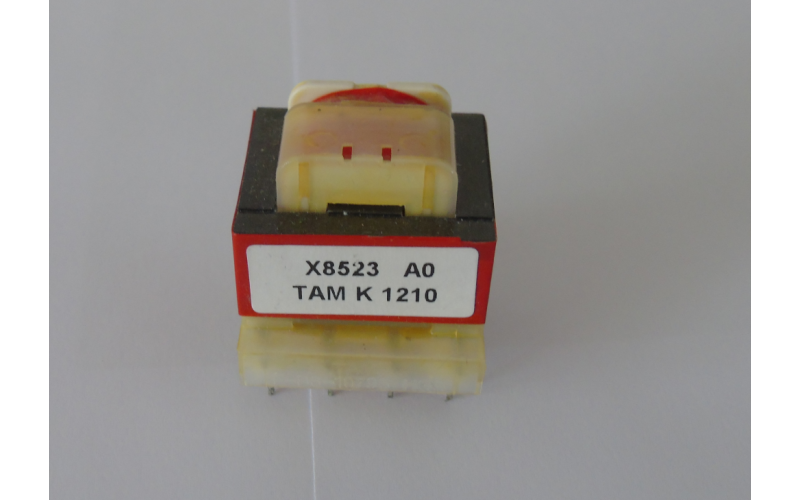
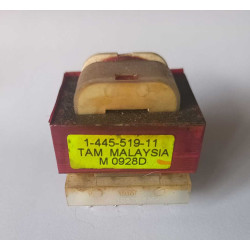
What Is a Standby Transformer?
A standby transformer is a small power transformer used in audio amplifiers, AV receivers, home theatre systems, and other electronic equipment to keep essential low-power circuits running while the main power supply remains switched off. It allows devices to stay in standby mode, waiting for commands from the power button, remote control, timer, or network functions.
Without a standby transformer or standby power supply system, many modern amplifiers would need to be fully disconnected from the mains power whenever they are turned off, making remote startup and intelligent power management impossible.
Standby transformers became especially important with the rise of remote-controlled hi-fi systems and home cinema receivers during the 1980s and 1990s.
Purpose of a Standby Transformer
The main purpose of a standby transformer is to provide continuous low-voltage power to essential electronic circuits while the amplifier appears to be switched off.
These circuits may include:
- Infrared remote control receivers
- Microcontrollers and system processors
- Power management circuits
- Display memory functions
- Network standby systems
- Protection monitoring circuits
- Soft-start relays
When the user presses the power button or remote control, the standby system activates relays or switching circuits that enable the main transformer and high-voltage amplifier sections.
This design improves convenience, energy efficiency, and safety.
History of Standby Systems in Audio Equipment
Early Audio Equipment
Older amplifiers from the 1950s to 1970s often used simple mechanical power switches. When switched off, the entire unit is disconnected completely from mains electricity. There was no standby mode or remote operation.
These systems were simple and reliable but lacked convenience and advanced control features.
Rise of Remote Controls
During the late 1970s and early 1980s, manufacturers started adding infrared remote controls to audio systems. This created the need for electronic standby circuits that remained powered even when the amplifier was “off.”
To solve this problem, engineers introduced small standby transformers dedicated to low-power control electronics.
Modern AV Receivers
Modern AV receivers and smart amplifiers now use highly advanced standby systems capable of:
- Network wake-up functions
- HDMI control
- Voice assistant activation
- Scheduled startup
- Energy-saving modes
- Firmware updates in standby
Some newer devices use compact switch-mode standby power supplies instead of traditional transformers, reducing size and energy consumption.
Technical Operation of a Standby Transformer
Basic Principle
A standby transformer is connected directly to the mains input and operates continuously whenever the device is plugged in.
The transformer converts mains voltage into a lower AC voltage suitable for standby electronics.
Typical output voltages include:
- 5V AC
- 9V AC
- 12V AC
- 15V AC
The AC output is then rectified, filtered, and regulated into stable DC voltages for control circuits.
How the System Starts the Amplifier
When the standby circuit receives a power-on signal:
- The microcontroller activates a relay or transistor switch
- The main transformer receives mains power
- Main amplifier voltage rails become active
- Speaker protection systems initialise
- Audio processing circuits start operating
This sequence prevents sudden current surges and protects speakers from unwanted startup noise.
Advantages of Standby Systems
Convenience
Users can power on equipment instantly using a remote control or smart system.
Lower Energy Consumption
Only small control circuits remain active during standby mode instead of the entire amplifier.
Improved Safety
Standby systems help manage startup timing and reduce electrical stress on components.
Better System Integration
Modern home cinema systems rely heavily on standby communication between connected devices.
Common Standby Transformer Failures
Like any electronic component, standby transformers can fail over time.
Common causes include:
- Overheating
- Age-related insulation breakdown
- Power surges
- Faulty capacitors in standby circuits
- Excessive continuous operation
Symptoms of failure may include:
- Amplifier completely dead
- No standby LED
- The remote control is not responding
- Clicking relays without a startup
- Intermittent power operation
Technicians often test the transformer output voltage first when diagnosing power faults.
Standby Transformers vs Switch-Mode Power Supplies
Traditional standby transformers are larger and heavier but are often considered reliable and electrically quieter.
Modern switch-mode standby supplies are:
- Smaller
- More energy efficient
- Lighter
- Cheaper to manufacture
However, some audio enthusiasts prefer traditional transformer-based designs due to lower electrical noise and simpler repairability.
Importance in Modern Audio Electronics
Even though they are small components, standby transformers play a critical role in amplifier functionality. Without them, features such as remote power-on, network control, and intelligent power management would not exist in modern audio systems.
For repair technicians and electronics enthusiasts, understanding standby systems is essential when diagnosing power-related amplifier faults.
As audio technology continues evolving, standby power systems remain a key part of reliable and user-friendly amplifier design.